

Prayer for Students
Prayer for students is vitally important in culture today. School campuses are full of temptation and negative influences targeting students. Prayer is a way to influence students to make wise choices and excel in their studies. There are many topics in the curriculum that will impact their decision making for years to come. Our youth and young adults approach a time of their lives where they will make significant decisions about careers, marriage, children, and other life choices.

Prayer of St. Francis
The anonymous text that is usually called the Prayer of Saint Francis (or Peace Prayer, or Simple Prayer for Peace, or Make Me an Instrument of Your Peace) is a widely known Christian prayer for peace. Often associated with the Italian Saint Francis of Assisi (c. 1182 – 1226), but entirely absent from his writings, the prayer in its present form has not been traced back further than 1912. Its first known occurrence was in French, in a small spiritual magazine called La Clochette (The Little Bell), published by a Catholic Church organization in Paris named La Ligue de la Sainte-Messe (The League of the Holy Mass). The author’s name was not given, although it may have been the founder of La Ligue, Father Esther Bouquerel. The prayer was heavily publicized during both World War I and World War II. It has been frequently set to music by notable songwriters and quoted by prominent leaders, and its broadly inclusive language has found appeal with diverse faiths encouraging service to others.
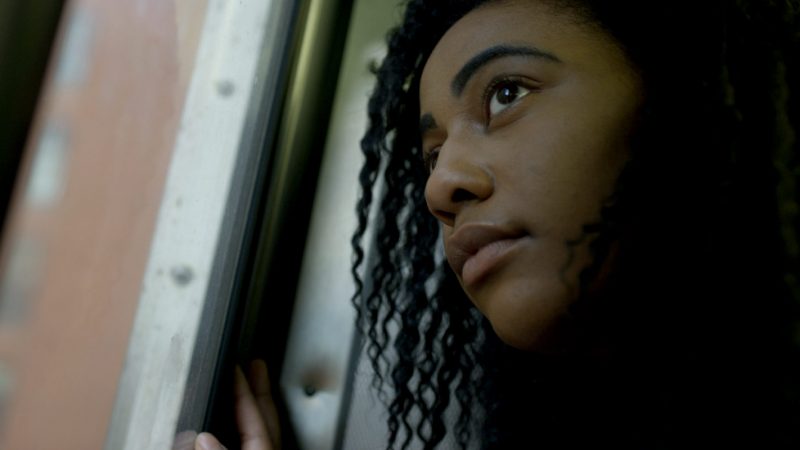
Prayer for Lent
There are traditionally 40 days in Lent; these are marked by fasting, both from foods and festivities, and by other acts of penance. The three traditional practices to be taken up with renewed vigor during Lent are prayer (justice towards God), fasting (justice towards self), and almsgiving (justice towards neighbors).
Lent, which comes from the Teutonic (Germanic) word for springtime, can be viewed as a spiritual spring cleaning: a time for taking spiritual inventory and then cleaning out those things which hinder our corporate and personal relationships with Jesus Christ and our service to him.
In addition, some believers add a regular spiritual discipline, to bring them closer to God, such as reading a Lenten daily devotional.

Prayer For Spouses
Praying together as a couple and praying individually for your spouse is one of the most powerful weapons you have against divorce and for building intimacy in your marriage. Praying together not only brings us closer to each other, it deeply reinforces our relationship with the Lord.

Were You There, When They Crucified My Lord?
“Were You There (When They Crucified My Lord)” is an American spiritual that was first printed in 1899.
“Were You There” was likely composed by African-American slaves in the 19th century. It was first published in William Eleazar Barton’s 1899 Old Plantation Hymns. In 1940, it was included in the Episcopal Church hymnal, making it the first spiritual to be included in any major American hymnal. As reported in Howard Thurman’s autobiography, the song was one of Mahatma Gandhi’s favorites. The song has been recorded by artists including Marion Williams, Johnny Cash, Phil Keaggy, Max Roach, Diamanda Galás, Harry Belafonte, The Seldom Scene, Diamond Version (with Neil Tennant), Bayard Rustin, and Rajaton.

Act of Contrition
The Act of Contrition is part of the Sacrament of Penance and is prayed by the penitent after the priest assigns a penance and before he gives the penitent absolution. It is also customarily said especially before one goes to bed at night. It is generally supposed that individuals might have recourse to an Act of Contrition when they find themselves in extremis.
The prayer expresses in words a deeply personal “act” that engages a person’s affections and will. Catholic teaching holds that “imperfect” contrition, is also a gift of God. Born of fear of eternal damnation or other penalties, it is nonetheless sufficient to inspire a valid Act of Contrition. There are different versions of the Act of Contrition, but all generally include an expression of sorrow, an acknowledgment of wrongdoing and a promise to amend one’s life and avoid sin.
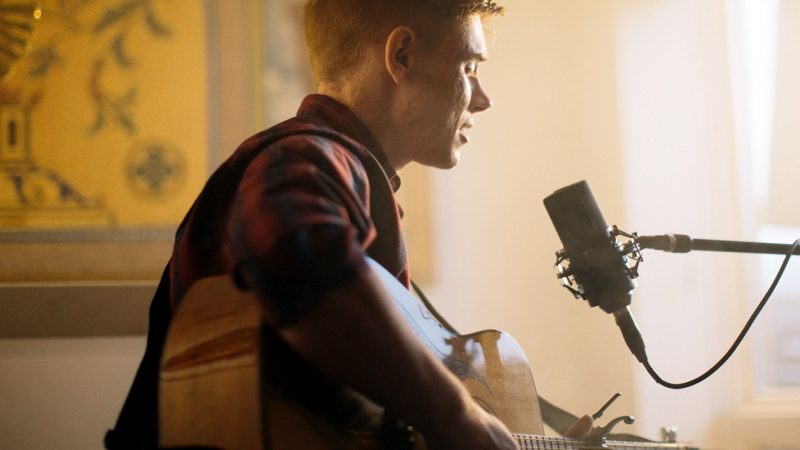
Holy, Holy, Holy
“Holy, Holy, Holy!” is a Christian hymn written by Reginald Heber (1783–1826), and performed in this video by Pat D’Angelo. Its lyrics speak specifically of the Holy Trinity, having been written for use on Trinity Sunday. It quotes the Sanctus of the Latin Mass, which translated into English begins “Holy, Holy, Holy! Lord God of Hosts”. The text also paraphrases Isaiah 6:3 and Revelation 4:1–11. John Bacchus Dykes composed the tune Nicaea for this hymn in 1861. The tune name is a tribute to the First Council of Nicaea which formalized the doctrine of the Trinity in 325.

Jesus, Remember Me
“Jesus, Remember Me” is a Christian hymn written by Jacques Berthier (June 1923 – June 1994), a French composer of liturgical music, best known for writing much of the music used at Taizé. This particular performance features the talents of Hannah Martin.